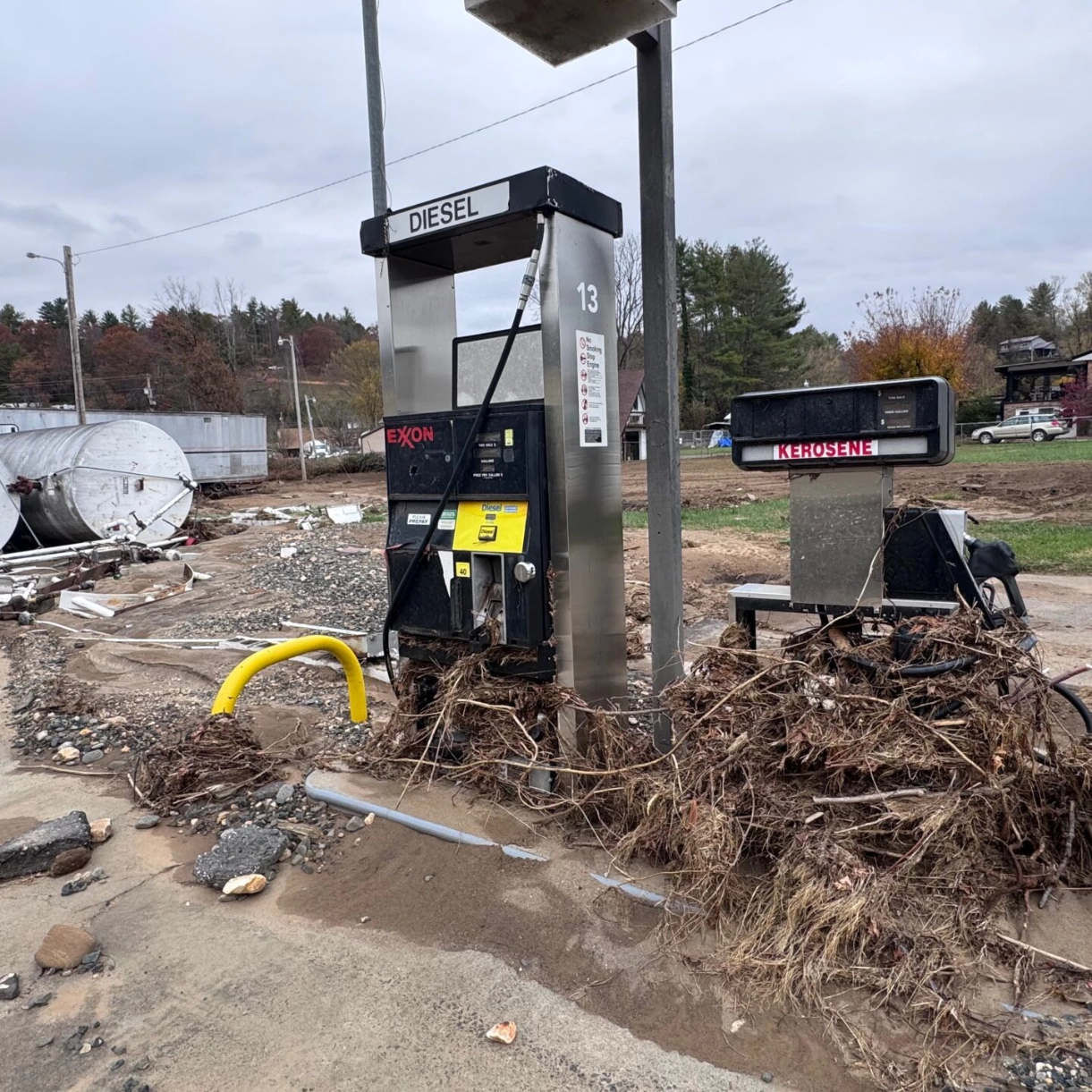
Emergency management systems are essential and lead response efforts.
In moments like that, the earliest response begins locally.
Disruptions consistently expose structural gaps:
- Fragmented community communication
- Limited early visibility into neighborhood-level needs
- Informal grassroots coordination that lacks structure
- Difficulty understanding which local assets are operating
- Limited clarity around which essential assets have been lost
- Slower economic reactivation after the immediate crisis
Emergency management systems are essential and lead response efforts. Early-stage stabilization often depends on informal local networks before operational capacity is deployed.
Nearby Nearby provides a structured civilian-facing visibility layer that supports this gap.
What This Provides to Your Community
Asset Visibility Before Impact
Community hubs, trusted gathering locations, and local service providers are identified and structured in advance. This reduces the need to build coordination from scratch during a crisis.
Community hubs may also undergo deeper resilience assessment through integration with hazard intelligence tools.
This can help identify hazard exposure risks, infrastructure vulnerabilities, and potential single points of failure.
These assessments are intended to strengthen individual hubs and support preparedness planning. They do not replace emergency management systems and are not predictive guarantees of performance during a disaster.
1. Clearer Early-Stage Insight
Grassroots hubs and operating locations can be made visible in one centralized system. This reduces misinformation and improves situational awareness at the neighborhood level.
2. Critical Asset Loss Visibility
When essential services go offline, the system helps surface what has been lost and where service gaps now exist. This includes grocery access, fuel availability, pharmacies, medical providers, and other key community anchors.
Understanding these gaps early allows for more targeted support and communication.
3. Support for Emergency Management
By organizing civilian-facing visibility, local leaders gain clearer insight into where communities are self-organizing, where needs are concentrated, and where outside assistance may be most effective.
4. Reduced Communication Fragmentation
Instead of scattered updates across multiple informal channels, the platform provides structured visibility residents can reference consistently.
5. Accelerated Recovery and Economic Stabilization
As infrastructure returns, reopening businesses and operating services become visible quickly. This helps restore local spending, volunteer coordination, and service continuity.
6. Stronger Public Trust
When residents can clearly see what is happening in their community, confidence and cooperation increase.

Designed to Complement,
Not Replace
Nearby Nearby does not replace emergency management systems, dispatch operations, or official communication channels.
It supports visibility and coordination at the civilian level while existing public safety systems lead operational response.
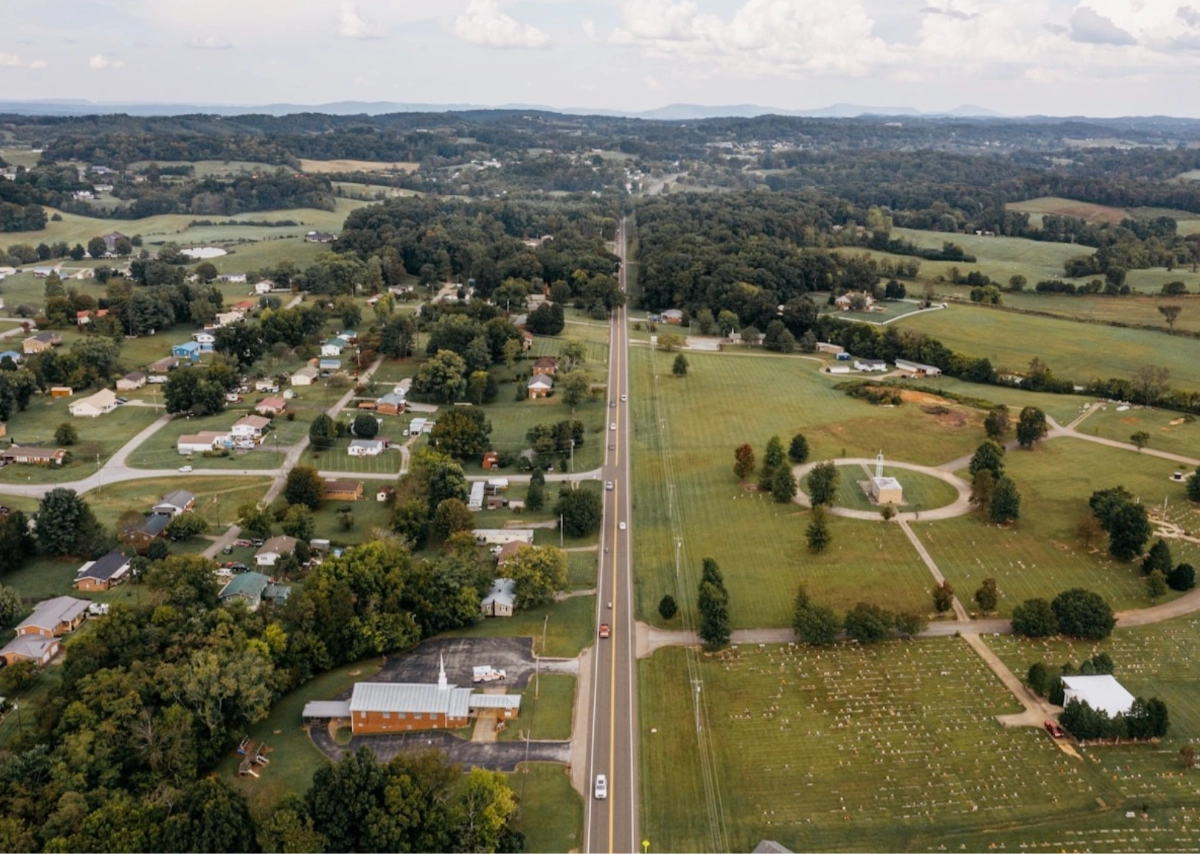
Built with Rural Realities in Mind
Many communities face geographic spread, infrastructure fragility, and limited communication redundancy.
This system is designed with those realities in mind while remaining adaptable to any community seeking stronger grassroots coordination.
Over time, structured visibility can also inform preparedness planning, infrastructure analysis, and broader resilience strategy.
Explore This for Your Community
We welcome conversations with town, county, and regional leaders who are focused on strengthening local coordination and resilience.
How Nearby Nearby and the Nearby Nearby Network Work Together
Nearby Nearby and the Nearby Nearby Network a North Carolina 501(c)(3) operate as distinct entities with aligned missions.
The Nearby Nearby platform provides structured visibility and coordination tools. The nonprofit focuses on identifying and strengthening grassroots hubs.
Roles are clearly defined to support community resilience while maintaining appropriate operational and governance boundaries.Learn More about Nearby Nearby Network